



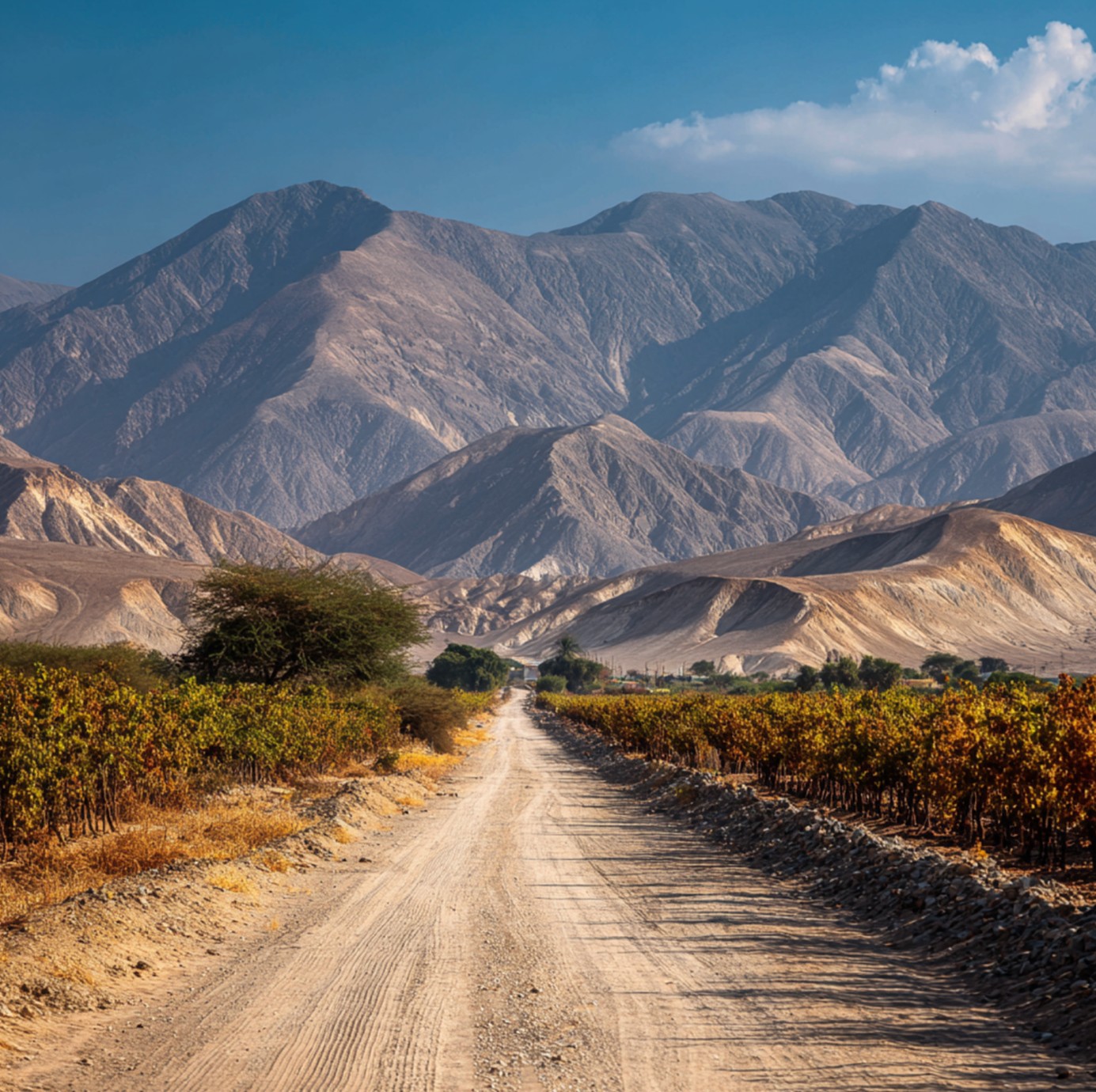
Between Lima and the southern coast, the valleys of Ica and Nasca open each year a living chapter of Peruvian agriculture: the grape harvest festival and the birth of pisco.
It is not only a drink, but a rite that blends memory, gastronomy, and hospitality. Ancestral rituals like pisa de uvas, distillers known as maestros pisqueros, and a cultural route—the Pisco Route—bring history and modernity together in a sensory journey where the grape speaks to the glass. Pisco, the national spirit, has been celebrated for over 400 years in the fertile valleys along the Peruvian coast.
A route to discover pisco
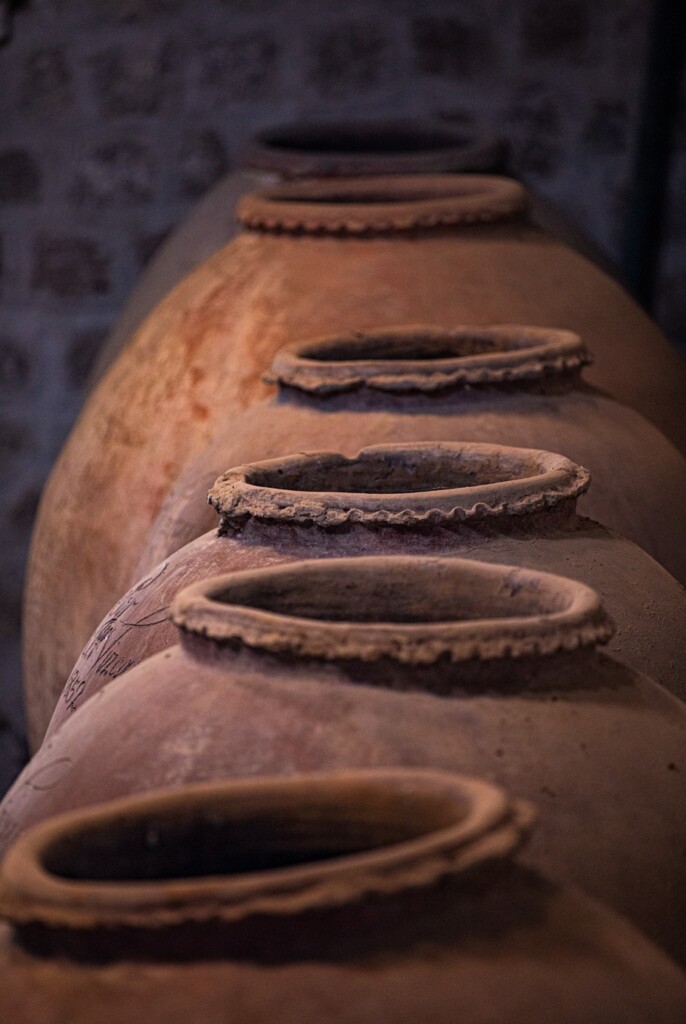
The Pisco Route winds through the valleys of Chincha, Pisco, Ica, and Nasca, going from Lima to Tacna. It offers progressive immersion: historic bodegas, tasting workshops, and direct encounters with the maestros pisqueros, witnesses to know-how handed down from generation to generation. The landscapes vary: arid oases, fertile valleys, and centuries-old cellars that still breathe the imprint of the harvests.

The harvest ritual: pisa de uvas
During harvest, the estates vibrate to the sound of local music and gestures that repeat themselves, almost sacred. One of the most emblematic moments remains the pisa de uvas, the traditional stomping of grapes in cement presses called lagares. This convivial ritual allows the fresh must to be extracted artisanally, marking the official start of pisco production. Even if large estates incorporate modern technologies, many bodegas preserve this ancestral gesture to retain the soul and authenticity of the product.
The pisco: a unique heritage
Peruvian pisco is produced exclusively from musts of recently fermented grapes and undergoes no aging in wooden barrels. This technical sobriety preserves the transparency and aromatic palette of the fruit. The designation and processes adhere to strict production standards, guaranteeing consistent and identifiable quality. Eight grape varieties define pisco’s personality: Negra Criolla, Mollar, Quebranta, Uvina, Italia, Torontel, Moscatel, and Albilla. These varieties give rise to diverse profiles and distinct results depending on the blends.
The grape varieties and styles: what distinguishes pisco
• Puro
Single-grape distillate, highlighting a unique grape.
• Acholado
A blend of several grape varieties for a more nuanced balance.
• Mosto Verde
Partially fermented must, which provides texture and specific aromas.
• Les cépages apportent chacun des signatures
Quebranta and Negra Criolla provide robustness and generosity, Italia and Moscatel bring floral and fruity notes, Torontel and Albilla reveal intense aromatic notes, Uvina and Mollar complement the palette with fruity and structured touches.

Gastronomy and mixology: when pisco elevates the table
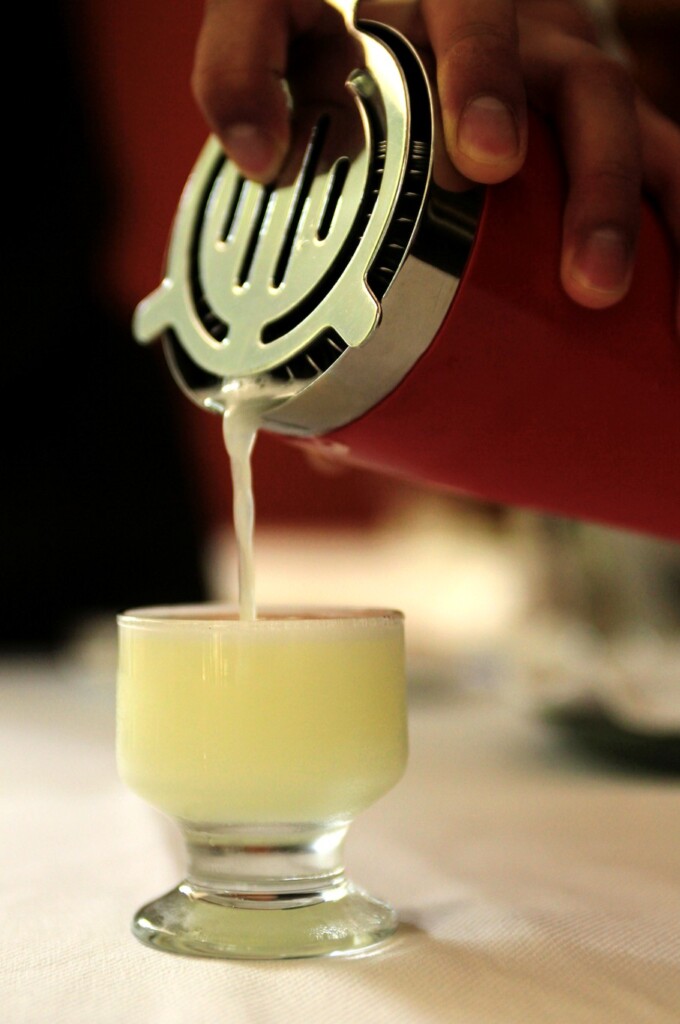
Ica remains the historic cradle of the spirit, with ancient distilleries inviting exploration of gestures and aromas at the source. Pisco nourishes local gastronomy: used to flambé dishes like lomo saltado or to flavor traditional desserts. On the tasting side, two figures dominate: Pisco Sour—an emblematic symbol, balancing acidity and sweetness, a vehicle for vivid images and gustatory memories; Chilcano—pisco, ginger ale, and sometimes lime, lighter and more refreshing.

Oenotourism: immersion and encounters
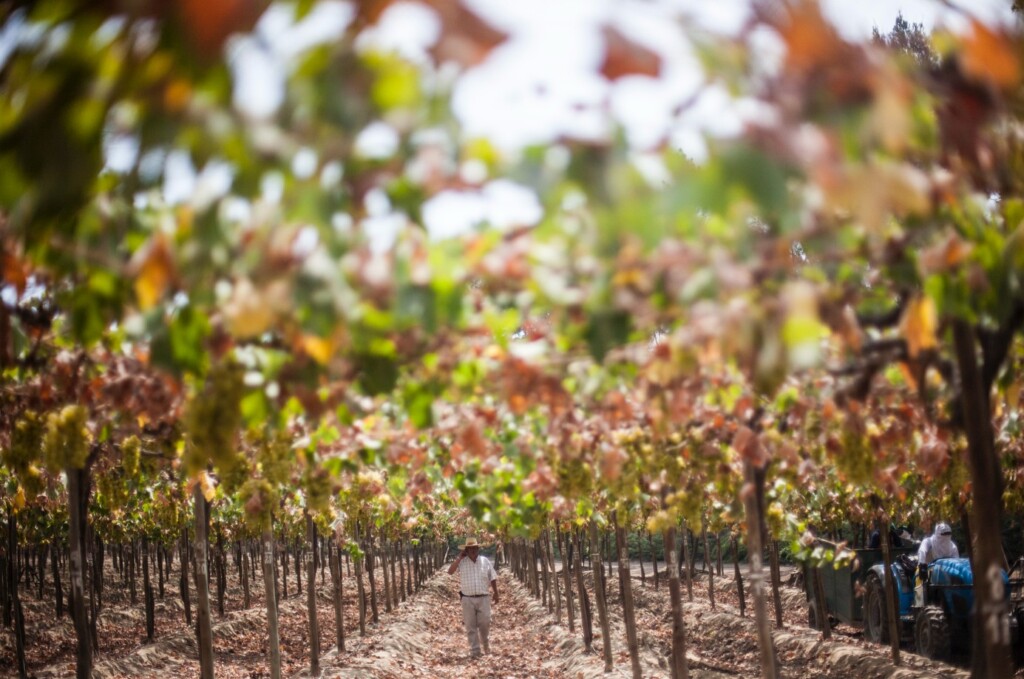
Beyond tasting, the experience aims to understand the artisanal process and to explore the nuances of pisqueros’ grapes on site. Workshops, demonstrations, and exchanges with the maestros pisqueros offer a unique cultural and technical immersion. The renewal of heritage wines goes hand in hand with the rehabilitation of historic grape varieties such as Quebranta, Mollar, or Negra Criolla, offering another reading of Peruvian vineyards and strengthening the oenotourism offer.
Challenges and perspectives
The sector seeks to reconcile authenticity and modernity: preserving traditional gestures while modernizing production and distribution tools. Peruvian oenotourism is expanding: from simple tastings to educational programs, guided tours, and culinary experiences that highlight the entire pisquéro terroir. Valuing historic grape varieties contributes to preserving genetic diversity and telling a long and complex story, where every sip carries the memory of the valleys and villages encountered on the Pisco Route.
A celebration that unites terroir, tradition and conviviality
The grape harvest festival and the world of pisco are not merely about a product: they are stories written in time and space across the Ica and Nasca valleys. Between ancestral rites and the innovations of distillers, between the aromas of historic grape varieties and the emergence of new creations, pisco remains a living symbol of Peru’s wine country.
_______________________________________________________________________________
Photos credits
PROMPERÚ
Don’t drink and drive. Enjoy responsibly.