
Golf Clubs are still swinging the Art of the 19th Hole

Where drinking has sustainably dropped in golf clubs, it has continued to keep the tradition alive.
Why Golfers Love the Art of the 19th Hole: A Sensational Clubhouse Tradition
Golf has always had two clocks running at once: the one that measures time for the next tee shot, and the other—the quieter one—that starts when the round ends or slows down at the turn. On paper, the game is a test of patience and precision. In practice, it’s also a test of staying refreshed, especially on hot fairways where the day can feel long and the urge for something cold becomes almost as persistent as the hunt for the green.
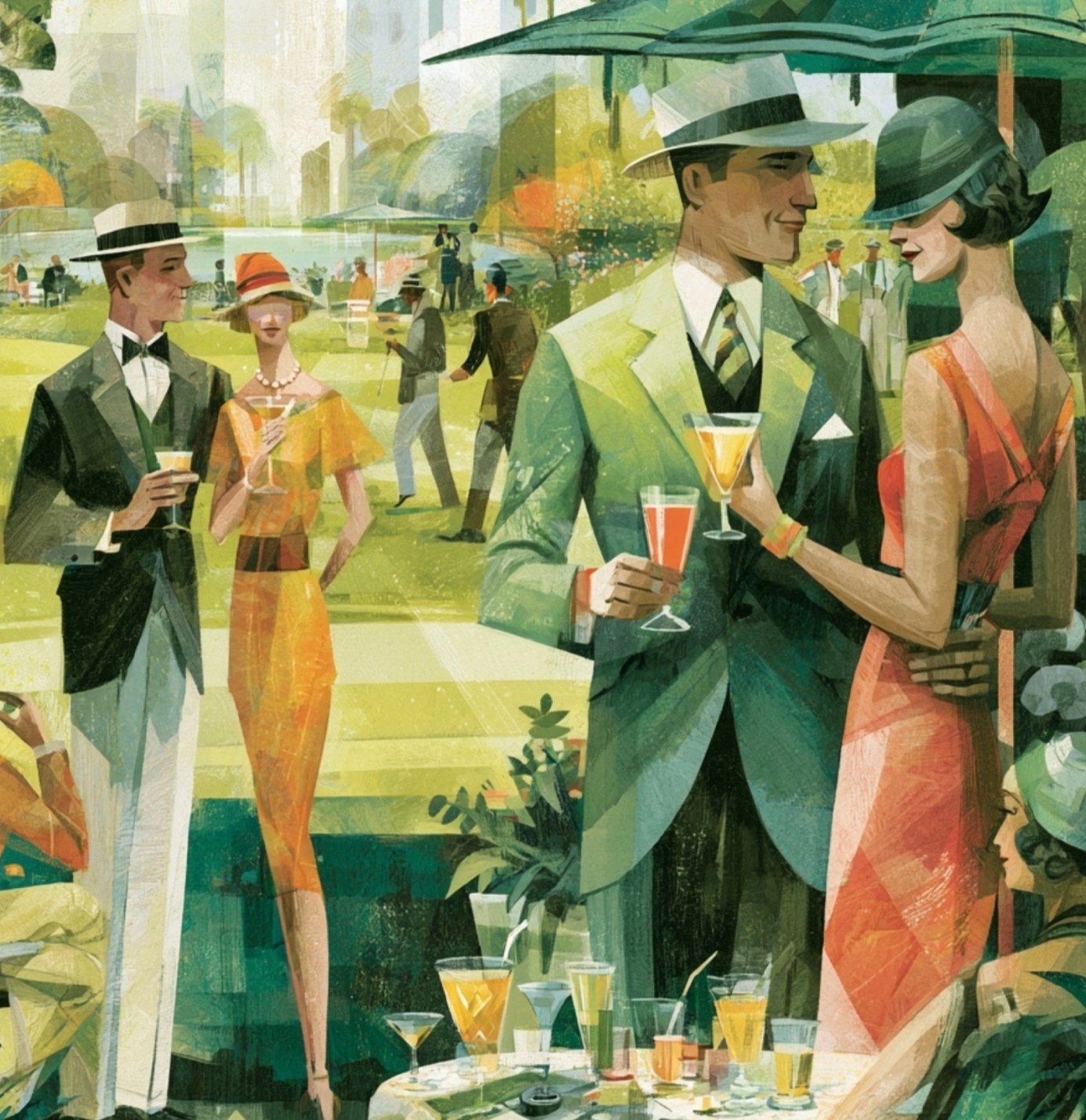
Even as the world moves faster and drinking trends shift, the spirit of the post-round gathering remains a steady constant. While more golfers may be choosing lighter options or non-alcoholic drinks, the clubhouse tradition still brings players together after the round. Golf clubs continue to maintain the atmosphere and preserve the art of the 19th hole—where golfers keep the energy going, trade stories, and keep “swinging” in a social sense.
The Historical Roots and Evolutions in the Art of the 19th Hole
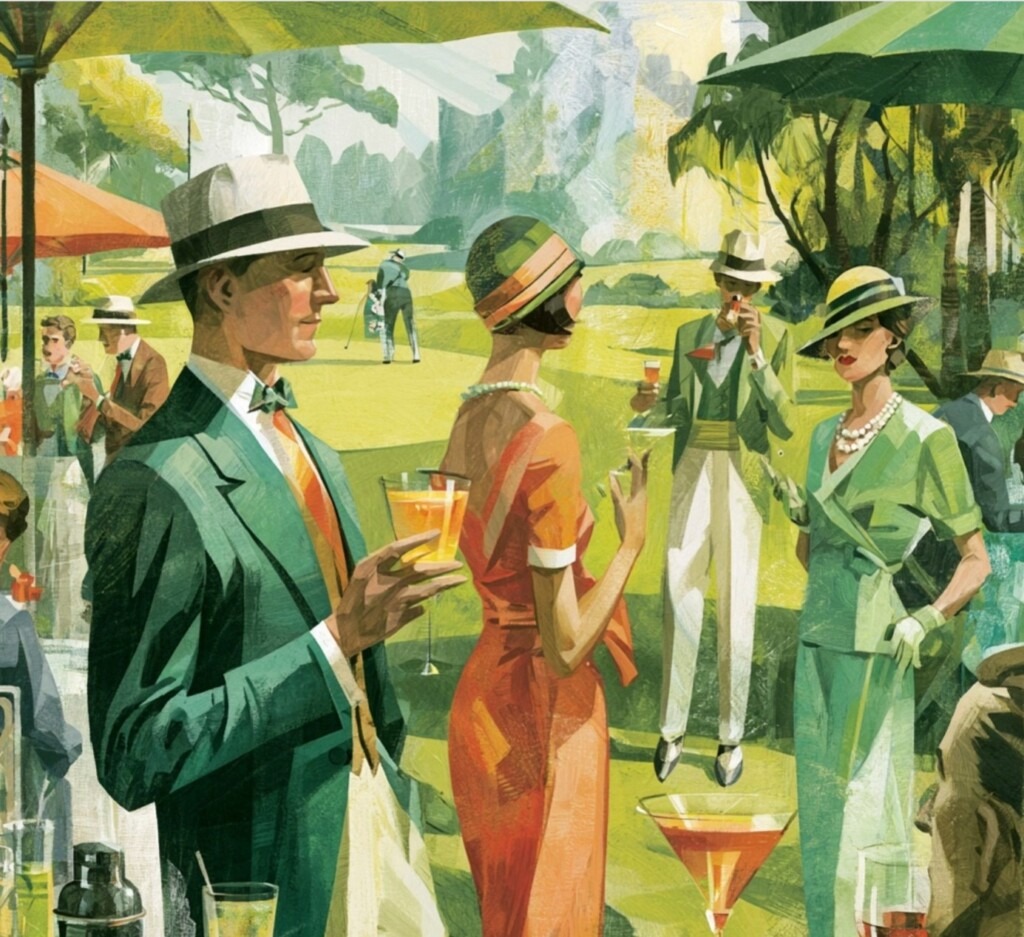
The exact origin of this custom is not fully clear, but the tradition grew naturally as golf itself developed. As golf clubs became established and membership expanded, clubs built or improved their clubhouses. These spaces were designed for practical reasons, such as storing equipment, changing clothes, and hosting social gatherings. Over time, the clubhouse became the ideal place for conversation after play— so the 19th hole developed as a natural extension of the 18-hole course, offering “one more hole” for connection and relaxation. Today, historians tracking the game via resources like the USGA Museum note how central this ritual remains to the sport’s global identity.
What happens at the 19th hole
The 19th hole is best known for the post-round ritual of drinks. Players often share a glass of something—whether alcoholic or non-alcoholic—and use that relaxed setting to unwind. Storytelling is another major part of the experience. Golfers recount the best shots, revisit close calls, and often exaggerate victories while downplaying missteps. Friendly wagers are also common, as people settle small bets made during the game. Beyond that, it serves as a place to de-stress, reconnect with fellow members, and enjoy the company of people who share the same interests.
A cornerstone of the golfing community
More than just a bar, this space builds a true community. Friendships form there, regular members feel a sense of belonging, and traditional values of the sport stay alive.
The clubhouse functions as a social hub where people from different backgrounds may connect—sometimes even leading to professional networking and new relationships. That blend of casual conversation, shared memories, and mutual respect is one reason why players master the art of the 19th hole as part of their lifestyle.
Etiquette, Cocktails, and Mastering the Art of the 19th Hole
Golf etiquette doesn’t end at the last green. In the clubhouse, unspoken rules still matter—respectful conversation, good listening, and sportsmanship. Whether you’re congratulating a great round or showing sympathy after a tough one, the social customs help create a welcoming atmosphere. While course attire focuses on performance, this space calls for a more relaxed yet polished style. Many golfers prefer classic heritage pieces that feel comfortable but still refined, making the clubhouse part of the overall fashion story of golf.
Modern adaptations and the future
Today’s golf clubs often offer more variety—better dining options, improved bar service, and added entertainment—so the experience fits contemporary lifestyles. Yet the heart of the tradition remains unchanged: camaraderie, downtime, and meaningful face-to-face interaction. In a world dominated by screens, it reminds people why human connection matters. As long as golfers keep gathering after the round, the tradition will continue to thrive—keeping social bonds strong, one “extra hole” at a time.
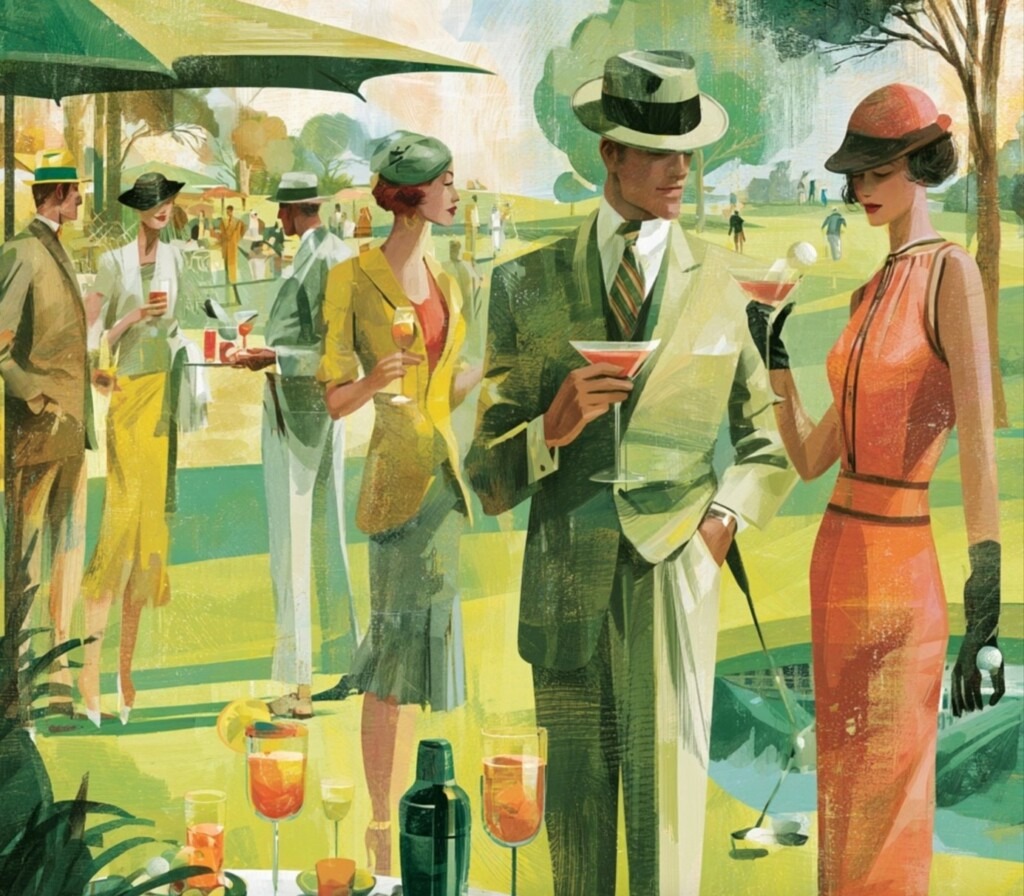
That’s where cocktails come in
Not the heavy, burn-your-mouth kind that makes you regret your choices before the last putt, but the club-friendly drinks that feel made for warm weather and slow conversations. The ideal golf cocktail is usually light, fruity, and refreshing, with just enough bite to feel celebratory without turning your next hole into a negotiation. You want a drink that complements the day: something that tastes like summer and looks good beside a scorecard.
Among the most enduring of these beverages is the Transfusion, with its striking purple color and its easy mix of vodka, ginger ale, and grape juice. The drink’s popularity seems almost inevitable in a sport where aesthetics matter as much as tradition. It’s the kind of cocktail that feels modern—boosted by canned versions and post-pandemic cart culture—yet it carries a storied reputation as well. Whether or not its origins are tied to famous golfers or presidents, it endures because it does what a great golf drink must: it satisfies fast, refreshes cleanly, and keeps the mood bright.
Another classic is the Southside, a cocktail that leans into herbs and citrus rather than sweetness alone. Gin, simple syrup, lemon or lime, and mint create a profile that tastes both crisp and summery, like walking off the course and into shade. What makes the Southside particularly fitting for country clubs is its versatility: Some versions prefer lemon, others insist on lime, and the “debate” over origins only adds to its club lore. In golf culture, drinks like this don’t just get ordered—they get argued about, compared, and refined the way golfers compare equipment and course strategies.
Then there’s the Bootleg, especially popular in colder-climate golfing regions where summer still matters but you want something that feels fun immediately. The Bootleg is built around frozen lemonade or limeade, semi-thawed and stirred with whatever spirit a golfer chooses—gin, rum, or vodka. Its strength is not only its flavor potential but also its adaptability. Like golf itself, it’s a flexible structure that lets individuals make it their own without losing the core identity of the drink.
Country clubs also love a more dessert-forward style, and that’s where the “golf ice cream cocktail” family fits perfectly. Drinks like Augusta’s rumored Velvet Hammer or Bay Hill’s openly available Hummer prove that you can combine indulgence with refreshment. Vanilla ice cream cools the palate, while vodka or brandy adds enough spirit to keep the beverage from becoming merely a treat. It’s a reminder that this routine isn’t only about toughness—it’s also about pure enjoyment.
Finally, the Arnold Palmer deserves a special place in this essay, because it sits right at the edge between tradition and experimentation. The original iced tea and lemonade mix is iconic for a reason: it’s refreshing, familiar, and easy to drink even when you’re still tired from the last few holes. But golf culture has always invited improvisation.
Add vodka or whiskey for a cocktail version, and suddenly the Arnold Palmer becomes both a nod to history and a license to celebrate, frequently spotlighted by golf authorities like Golf Digest during major tournament coverage.
So is there an “ultimate” golf cocktail?
Perhaps not. Golf is too regional, too personal, too tied to the clubhouse rituals (as the 19th hole) that vary from course to course. But a pattern is clear: the best golf drinks are the ones that match the sport’s rhythm—cooling your body while warming the spirit, enhancing the moment without derailing the next swing. In that sense, golf cocktails aren’t just beverages. They are a core dynamic within the art of the 19th hole: a small, social reward that belongs to the grassy in-between of fairways and friendships.
Don’t drink and drive. Enjoy responsibly.
News
Stay tuned and discover all the news in the Spirits World for professionals and amateurs, by our Spirits Hunters’ experts.
See all posts in this category. Join the community on Reddit
 Join the community on Reddit
Spirits Hunters is a community dedicated to spirits and the world of mixology. Feel free to talk about the world of mixology and bartending here!
Join