
The Beach, the Lime, and the Man Who Made Travel Personal: Anthony Bourdain and the Caipirinha

In Bahia, on a sun-washed stretch of coast, a simple cocktail became a global icon—and a window into how Bourdain tasted the world, one bite and one sip at a time.
A drink that travels with a traveler
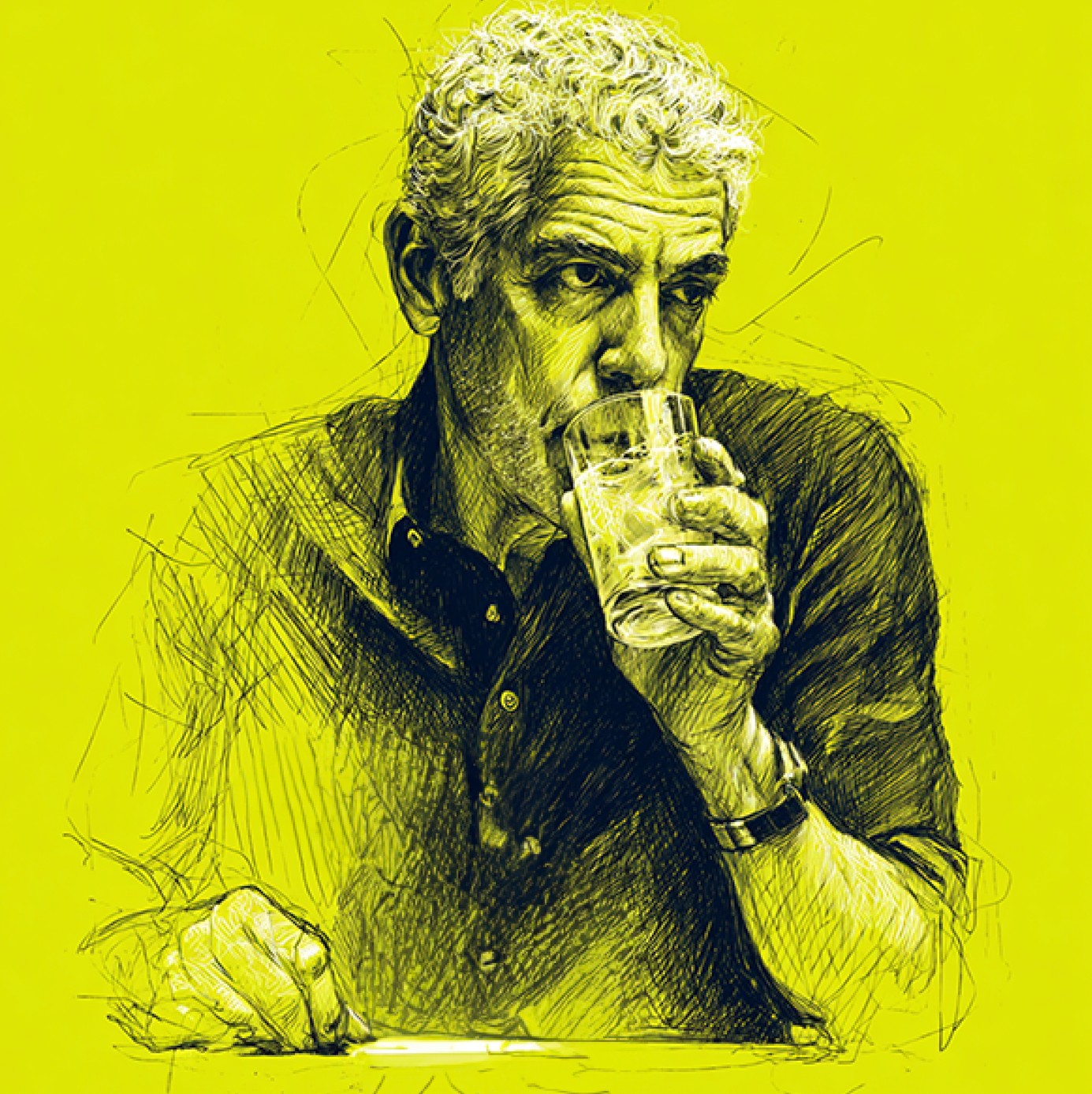
Anthony Bourdain’s globe-spanning career was built on a single, stubborn premise: place is flavor, flavor is memory, memory is truth. In the third season of Parts Unknown, he lands in Bahia, Brazil, errant feet in the warm sand, a vendor’s cart gleaming with glinting bottles and the promise of something honest. He orders a Caipirinha, and in that moment a nation’s spirit—limes, sugar, cachaça, and a beach-wide grin—condenses into a glass.
“The caipirinha is an indispensable icon of Brazilian beach culture,” Bourdain says, and later adds that it’s “one of the world’s truly great cocktails.” The line isn’t just praise for a drink; it’s a compact manifesto about how to taste a place.
So why did he love it so much? Because the caipirinha, with its three essential ingredients, is not flashy. It is regional, unpretentious, and thrilling in its simplicity—the kind of drink that can travel with you without ever losing its sense of origin.
- The caipirinha’s appeal lies not in complex culinary pairing but in the way it invites you to slow down, notice the lime’s oils, and drink with the horizon.
A memory, a recipe: honoring a three-ingredient truth
• Classic caipirinha (as a quick homage):
Ingredients:
- 1 lime, cut into wedges;
- 2–2.5 teaspoons sugar;
- 2 oz cachaça; ice.
Method:
- Muddle lime with sugar to release oils.
- Fill with crushed ice; add cachaça; stir.
- Garnish with a lime wheel if desired.
Note: Fresh lime and good cachaça are everything. The drink shines when its ingredients are allowed to speak for themselves.
How to read this through Bourdain’s lens
The three-ingredient ethic mirrors his approach to travel and cuisine: let the land, the craft, and the human moment lead. When you strip away noise, flavor remains.
A wistful suggestion for fans and hosts: Serve in a simple glass on a sunlit balcony or beach steps; let the sea breeze mingle with lime zest and cane sweetness. It’s less about a recipe and more about an attitude—curiosity, humility, and a taste for place.
Why the caipirinha endures
A cultural compass: The caipirinha embodies Brazil’s coastal culture: refreshing, direct, a little mischievous, and always tied to the land and the people who shape it. Bourdain’s broader project: He chased the truth of a place through its simplest pleasures—street food, a shared drink, a conversation that lasts longer than the meal. The caipirinha is a distilled example: straightforward ingredients, profound effect.
The enduring image: A traveler on a beach, a vendor’s cart, a glass sweating in the heat—these are the small moments that, in Bourdain’s hands, become a larger argument for travel as a form of humane listening.
Taste as testimony
Anthony Bourdain’s caipirinha moment in Bahia isn’t just a fond memory of a good drink; it’s a reminder that great travel is less about chasing novelty than about opening yourself to the simplest truths—lime oils, sugar, and the honest character of a people. When you drink that truth, you drink the world, sip by honest sip.
Why Cachaça is taking so long to Go Global
SÃO PAULO, Brazil — For decades, Brazil’s sugarcane spirit known as cachaça stayed mostly behind the bar in its home country, a bright, grassy reflection of Brazil’s agricultural heart. The journey to international shelves was slow, marked by flavor unfamiliarity, regulatory mazes, and logistics that punished small-batch production. Yet in recent years, the craft cocktail movement and a broader interest in diverse spirits helped propel cachaça from regional curiosity to global contender.
Cachaça is distilled from fermented sugarcane juice and can be aged or unaged. It is the base for the caipirinha, Brazil’s national cocktail, but it also encompasses a wide spectrum of regional styles—bright and clean on one end, earthy and complex on the other. For many global drinkers, cachaça arrived as a novelty rather than a staple, signaling Brazil’s craft and terroir rather than a familiar, mass-market label.
Foreign markets initially perceived cachaça as unfamiliar and sometimes grassy or funky, a flavor profile that contrasted with the smoother, more established profiles of rum or vodka. Distributors hesitated to stock a product with perceived volatility in taste and quality, and exporters faced a labyrinth of export rules, labeling requirements, and certification processes that varied by country and could be costly and time-consuming.
Brand visibility lagged as well; there was no sustained, coordinated global branding push to position cachaça beside more familiar spirits. The result was a chicken-and-egg problem: retailers were uncertain how to place a Brazilian specialty on shelves already crowded with recognizable icons. The supply chain posed further challenges—shipping fragile, often small-batch bottles across oceans required meticulous quality control and specialized logistics, raising costs and risk for importers juggling multiple national regulations. In many markets, cachaça competed with entrenched spirits, leaving little room for a newcomer to gain a foothold. And in some places, it remained a regional curiosity rather than a mainstream option, slowing both consumer curiosity and retailer confidence.
The turning point came from the late 1990s through the 2000s, when a broader rethink of cane spirits emerged alongside a rising craft-cocktail movement. International bars and retailers began highlighting cane spirits beyond rum, exposing global audiences to cachaça’s distinctive flavor and its regional variations. Festivals, tastings, and dedicated importers helped raise visibility and reassure retailers about quality control. In short, cachaça found allies—partners capable of translating a Brazilian specialty into a cosmopolitan staple.
Today, more brands offer a clearer hierarchy of quality, from mass-market bottlings to artisanal, single-estate expressions. International awards and curated import networks bolster credibility and ease discovery for sommeliers, bartenders, and curious consumers evaluating offerings. Cachaça remains less ubiquitous than rum or vodka, but its presence is steady in cocktail programs, menus, and retail shelves worldwide. Its versatility—able to anchor a classic caipirinha or brighten modern riffs on daiquiris and old-fashioneds—has helped it carve a lasting niche in the global spirits lexicon.
For consumers, the path to appreciation has become clearer. Labels that emphasize quality—“100% cachaça” or “puro de cachaça”—signal product made from fresh sugarcane juice and distillate, free from adulteration with neutral spirits. Artisanal and single-estate bottlings invite exploration of regional flavors, from grassy and vegetal to nutty and tropical. In cocktails, the caipirinha remains a reliable entry point, while cachaça’s livelier acidity and mineral notes can elevate contemporary takes on classics.
Cachaça’s ascent is part of a broader shift in how the world thinks about spirits and provenance. In markets increasingly hungry for craft and storytelling, regional products function as ambassadors for culture, climate, and community. Brazil’s cultural exports—music, cuisine, and now spirits—are shaping how the world experiences daily traditions, bottle by bottle.
If momentum holds, cachaça could become more ubiquitous in cosmopolitan cocktail programs, offering a spectrum from approachable bottlings to premier, award-winning expressions. Growth will depend on maintaining quality at scale, expanding responsible distribution networks, and continuing to educate consumers about what cachaça is—and isn’t.
Beyond the bar, the global ascent of cachaça reflects a broader narrative about global trade and cultural exchange. Regional products are no longer mere curiosities; they are engines of export and identity, linking terroir to taste in a way that resonates with today’s globally minded consumer.
Meanwhile, a separate, watershed development on the geopolitical stage underscores the growing intersection of culture and commerce. On March 4, 2026, Europe signed and Brazil’s Senate ratified a landmark commercial accord between the European Union and Mercosur, just days after the Chamber of Deputies approved the deal. The Brazilian Senate announced the ratification “unanimously,” a signal of broad consensus among lawmakers. The pact, signed in Asunción in January after 25 years of negotiations, binds the European Union with the four founding Mercosur members—Argentina, Brazil, Paraguay, and Uruguay—and is poised to create one of the world’s largest free-trade zones, representing roughly 30% of global GDP and a market of about 720 million consumers.
With only Paraguay’s parliamentary approval remaining for full ratification across all signatories, the path to implementation is advancing. Argentina and Uruguay had already ratified the agreement in the previous week. Brazil’s leadership framed the deal as essential in a world that has grown more fragmented and protectionist; the pact includes the gradual elimination of tariffs and robust mechanisms for resolving disputes, alongside environmental and social clauses to guide implementation. The move could reshape trade flows and the competitiveness of the Mercosur bloc relative to the European market, underscoring how cultural products and broad economic accords together influence the global marketplace.
Taken together, these developments—cachaça’s disciplined climb onto the world stage and Europe’s expansive EU-Mercosur accord—illustrate two facets of a single global trend: markets are increasingly shaped by the fusion of cultural authenticity and strategic trade policy. Whether in a highball glass or a freighter’s hold, Brazil’s reach is expanding, not by abrupt leaps, but through sustained, selective growth that aligns taste with trust and policy with possibility.
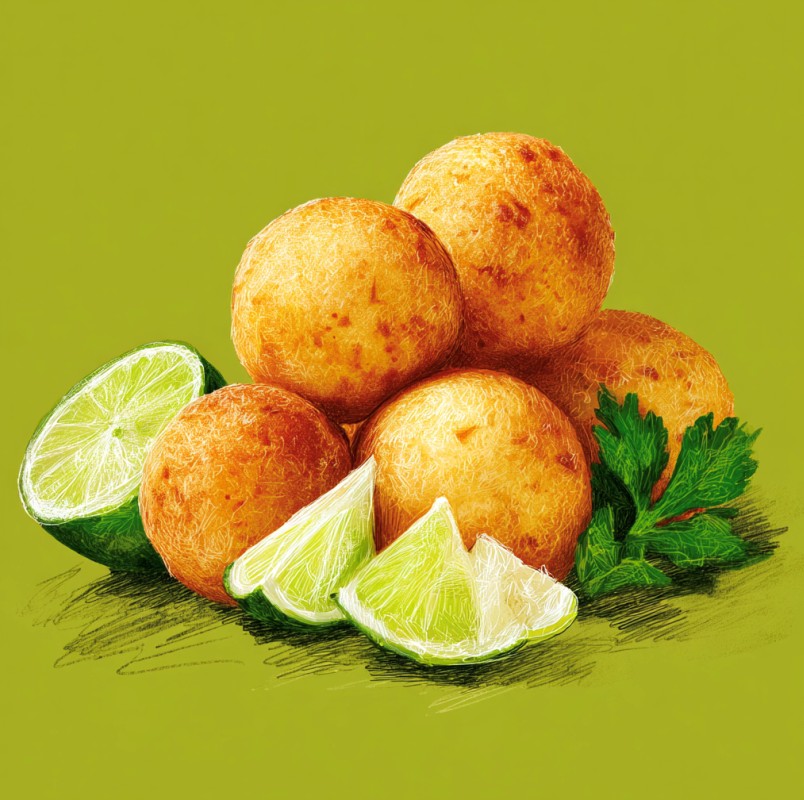
Easy Brazilian Cheese Bread balls (Pão de Queijo) to enjoy with your caipirinha
Blender Method + Traditional Method
Two simple ways to make these cheesy, puffed bites. Pick the blender method for speed, or the traditional method if you prefer the classic approach.
Easy Blender Method (fast & simple)
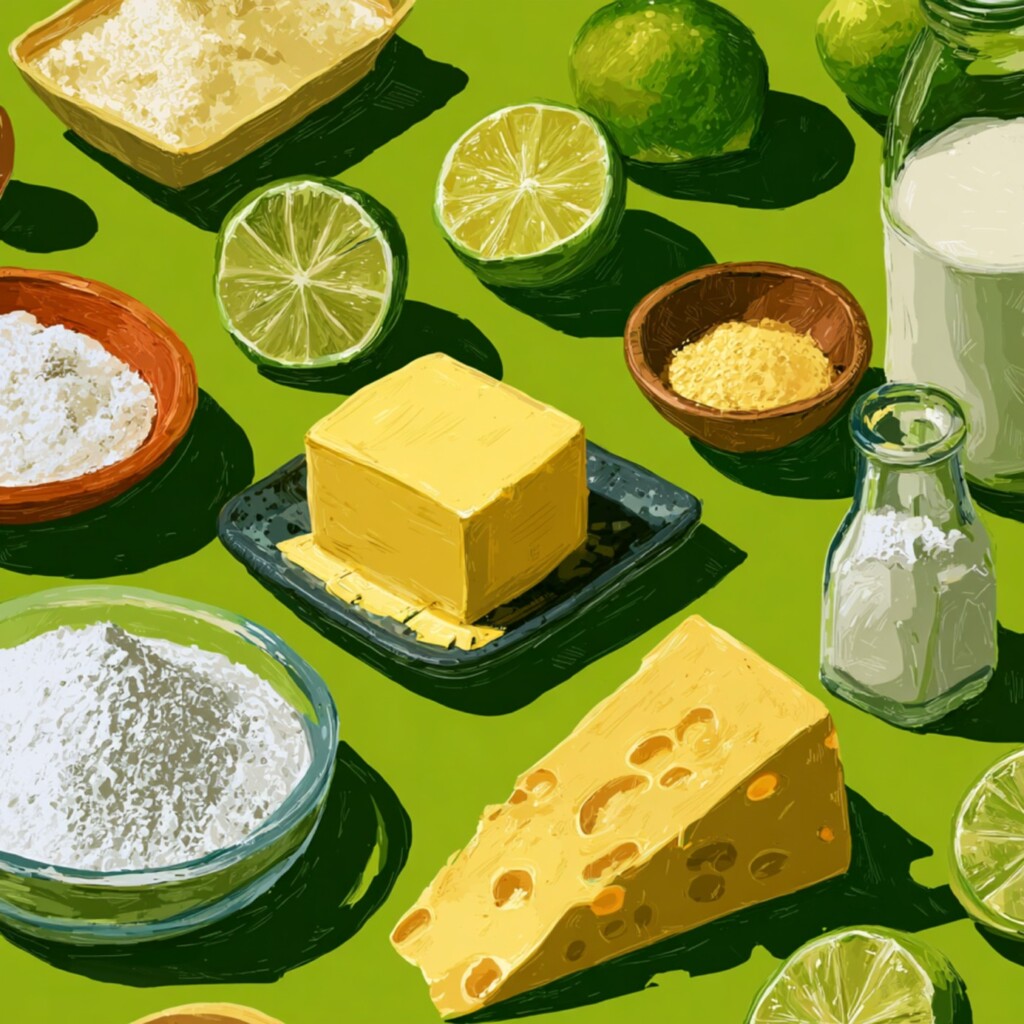
Ingredients (adjust as needed)
- 1 cup milk
- 1/4 cup oil (neutral oil works well)
- 1/2 tsp salt (to taste)
- 1 1/2 to 2 cups tapioca flour (polvilho doce)
- 1 large egg
- 1 cup shredded cheese (mozzarella, parmesan, or a mix) + extra for topping (optional)
Steps
- Preheat oven to 375°F (190°C). Lightly grease a mini muffin tin or line with paper cups.
- In a blender, add milk, oil, salt, tapioca flour, and the egg. Blitz until smooth and cohesive (the batter may be a bit sticky).
- Add the cheese and pulse a few times just to mix it through.
- Scoop into the muffin tin, filling about 3/4 full. Optional: sprinkle a little extra cheese on top.
- Bake until puffed and barely golden. Mini muffins: about 15–18 minutes; regular muffins: 20–25 minutes.
- Let cool a couple of minutes; they’ll be crispy on the outside and soft/airy inside (sometimes a touch hollow). Yield: roughly 16–24 mini muffins or about 7 large muffins in a standard tin.
Tips
• If the batter seems too thick, add a splash more milk and/or a bit more tapioca flour in small amounts.
• If it’s runny, bake in muffin tins to help them set, or add a little more tapioca flour and cheese.
🥟 Traditional Method (classic approach)
Note: This method can produce dough that’s silky or a touch crumbly; both textures are okay.
Ingredients
- 1 cup milk
- 1/4 cup oil
- 1/2–1 tsp salt (to taste)
- 1 1/2 to 2 cups tapioca flour (polvilho doce)
- 1 large egg
- 1 cup grated cheese (your choice)
Steps
- Heat milk and oil in a pot until just simmering.
- Add the tapioca flour to the hot liquid (you can dump the flour into the pot or pour the hot liquid over flour in a mixer—both work).
- The mixture may look silky or a bit crumbly. It’s normal.
- Beat in the egg, then stir in the cheese. You’re aiming for a wet cookie-dough feel.
- If the batter is too runny, add a bit more tapioca flour and cheese. If it’s too stiff, add a splash of milk.
- Use a cookie scoop to drop dough onto a baking sheet and bake until puffed and golden.
- If the batter is very loose, spoon it into a muffin tin (mini or full size) and bake. They’ll still taste great.
Yield: 16–24 mini rolls or about 7 large rolls with a standard tin.
Enjoy!
Don’t drink and drive. Enjoy responsibly.
News
Stay tuned and discover all the news in the Spirits World for professionals and amateurs, by our Spirits Hunters’ experts.
See all posts in this category. Join the community on Reddit
 Join the community on Reddit
Spirits Hunters is a community dedicated to spirits and the world of mixology. Feel free to talk about the world of mixology and bartending here!
Join