

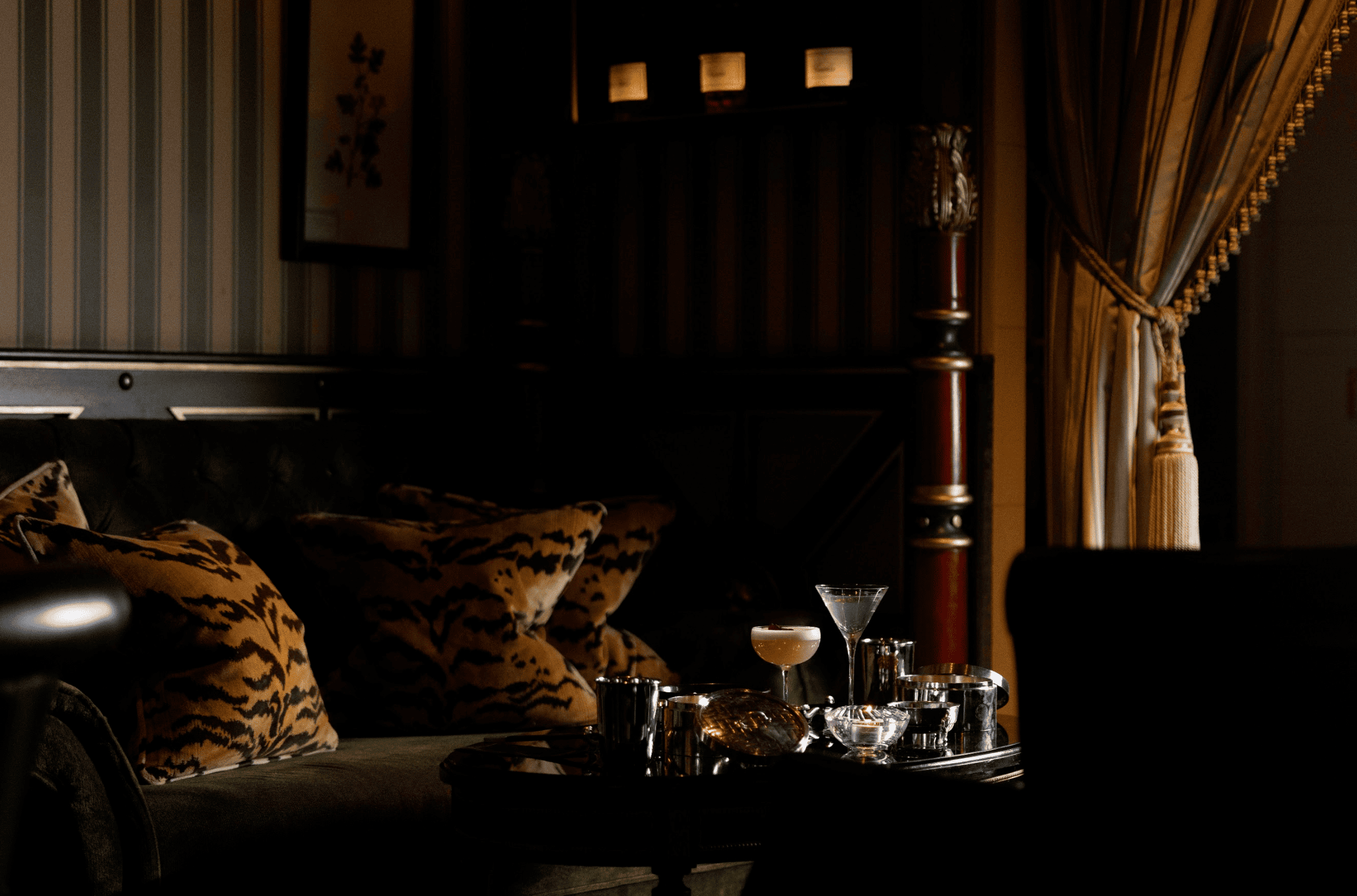
At Shangri-La Paris, the botanist Roland Bonaparte murmurs the cocktails

The Bar Botaniste at Shangri-La Paris: when the living becomes story and ritual
At first glance, the Bar Botaniste at Shangri-La Paris looks like a promise: a place where you can taste nature while never giving up the comfort of luxury. Pressed plant specimens on the walls, plants and foliage as a counterpoint to noble materials, botanical objects arranged like carefully preserved relics—the atmosphere is immediately immersive, elegant, almost labyrinthine.
And yet, it would be too simple to reduce the experience to an alluring scenography. In reality, the Bar Botaniste is a narrative framework. And its main character has a name: Roland Bonaparte.
Because Shangri-La Paris doesn’t merely dress a space in botanical ornamentation. It aims to convey an intellectual lineage. Here, you are invited to look, classify, preserve—and, ultimately, celebrate. In this setting, botany is not decorative: it becomes a structure, a memory, a method.
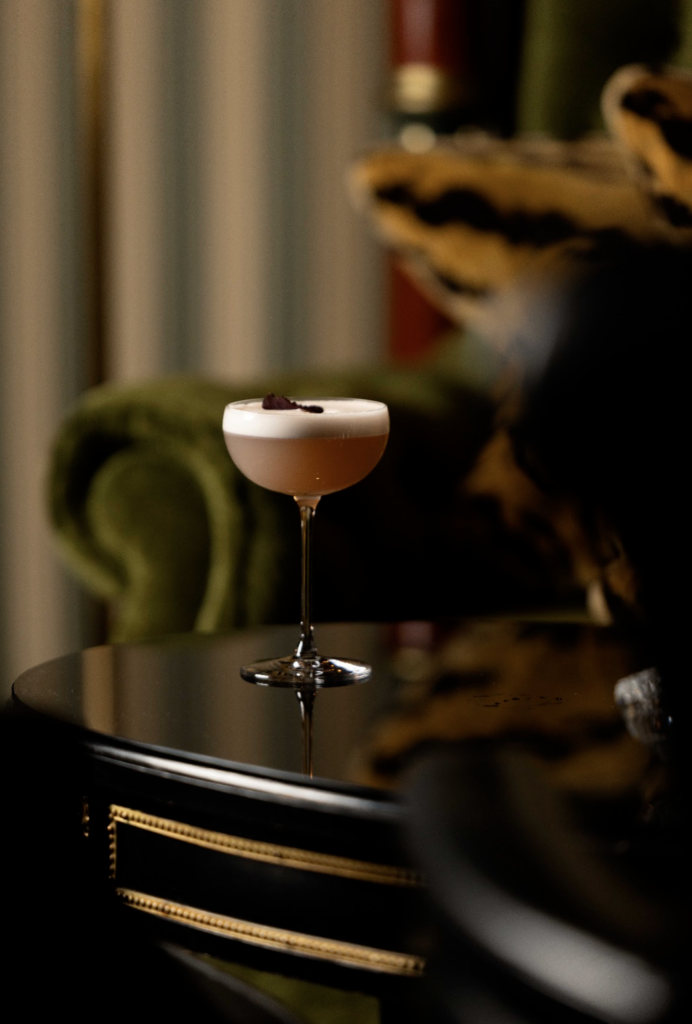
An invitation to travel, beyond the botanical object
The Bar Botaniste has been entirely reimagined, with a clear intention: to give the bar a new identity by anchoring it in the legacy of Roland Bonaparte, the former owner of the Palais. Scientific, an explorer, and passionate about botany, he embodies a precise stance: life not only as a field of study, but also as a territory of attention.
The herbarium he built over the course of his life is often described through figures, because its scale is astonishing: nearly 2.5 million specimens, representing about 100,000 species. But behind the statistic lies a more subtle idea. The herbarium is not a living cemetery of leaves, nor a simple inventory of curiosities. It is a device for knowledge.
Behind every specimen there is a logic: collect, preserve, compare, order. And above all, circulate. Roland Bonaparte doesn’t just build a collection—he activates a network: relays, expeditions, correspondence, a fragile chain of trust that allows the faraway to enter the realm of the classifiable. The herbarium becomes relational architecture: a world held together both by routes of information and by geographical routes.
In this way, the Bar Botaniste experience works like an echo. It transforms distance into closeness. It brings the idea of an expedition into the intimate timing of a drink served at the counter.
Two houses to create a universe: Deyrolle and Le Prince Jardinier
To give shape to this ambition, Shangri-La Paris joined forces with two emblematic houses—two complementary ways of approaching nature.
Deyrolle embodies the historical reference of natural sciences. You can feel the demand for detail, respect for objects, and rigor of observation. Nature is often treated there as a document. The driving force is not aesthetic effect, but precision.
On the other hand, Le Prince Jardinier brings know-how at the intersection of the art of living and nature. Where Deyrolle recalls the discipline of classification, Le Prince Jardinier emphasizes sensitivity: the way plants converse with everyday life, the table, and the rhythm of the seasons. The vegetal becomes an experience—not merely knowledge.
By bringing these two voices together, the Bar Botaniste avoids a common trap: turning botany into simple “green” decoration. Here, nature is treated as a language. It has its rules, its signs, its meaning.
The decor: herbariums, foliage, and objects as fragments of an explored world
It quickly becomes clear that the place is not a copy of an old library, nor a themed backdrop “just to look pretty.” The decoration is organized around the logic of the herbarium: plants and foliage that seem to have come from other seasons; botanical objects arranged with the intention of collecting; vegetal touches that function almost like annotations.
So there are herbariums, but also materials, botanical silhouettes, textures. The dominant sensation is not that of a recreated forest. It feels more like a system of correspondences: species that speak to one another, forms that respond, provenances that suggest the world.
The Bar Botaniste then becomes a terrain of travel while staying still. You don’t leave—you cross over differently. The decor acts like a map. It invites you to read.
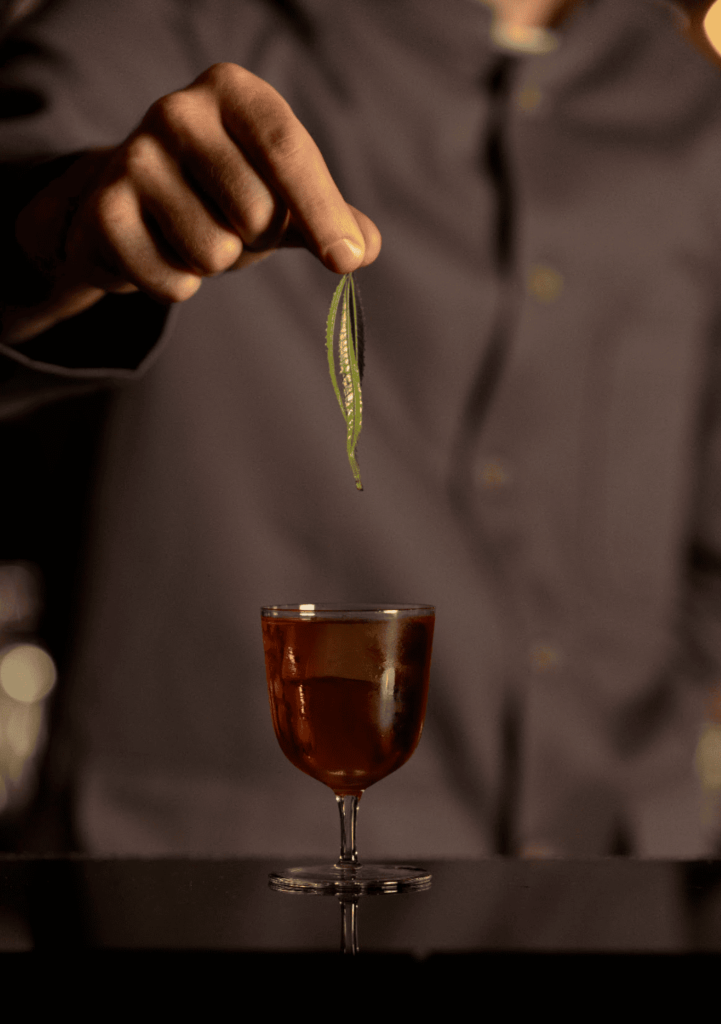
A new mixology: cocktails, botany, and serving rituals
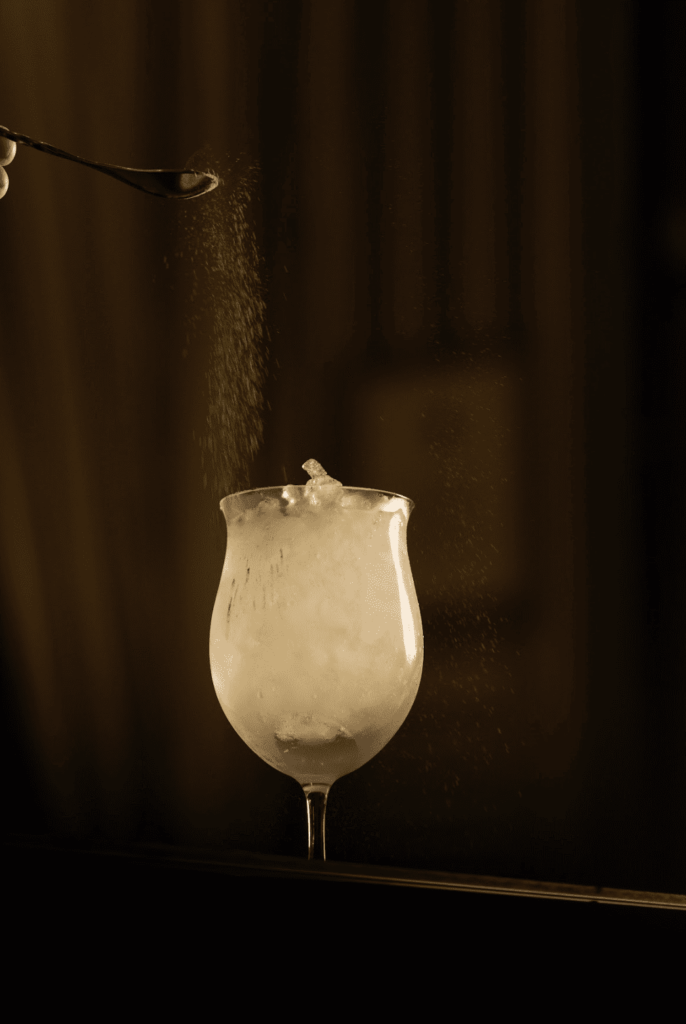
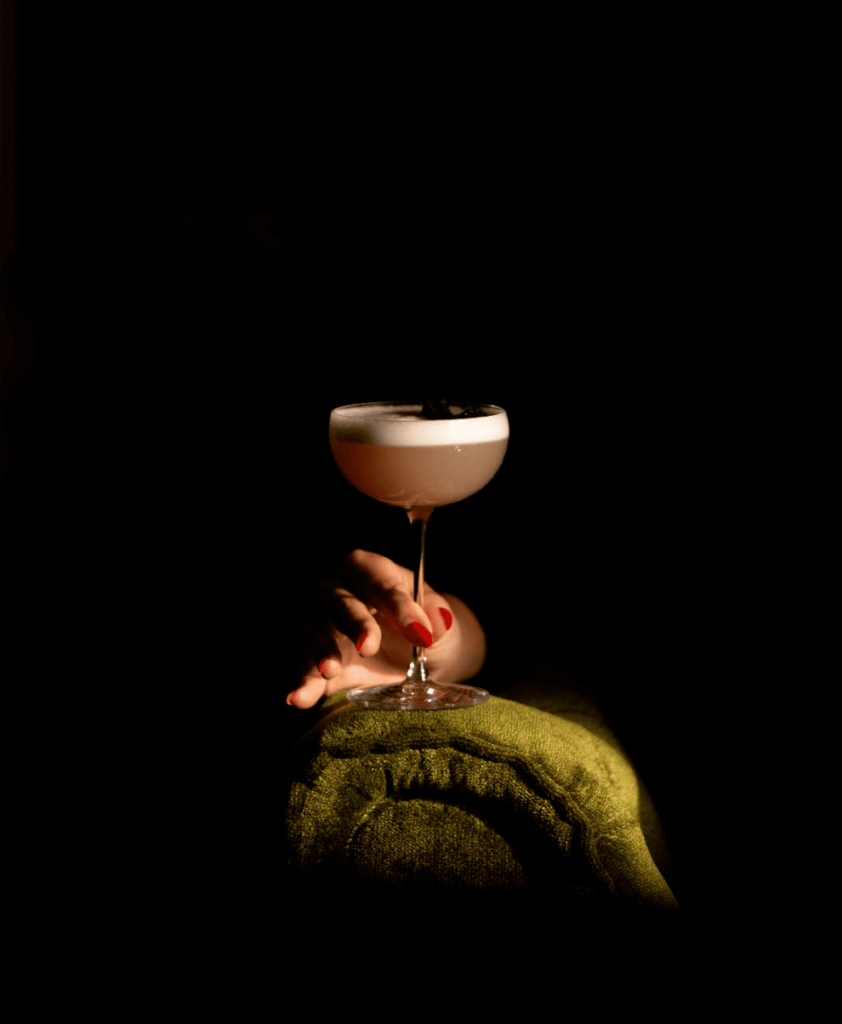
Moving from decor to experience is where the project takes on its most contemporary dimension. The Bar Botaniste proposes a new approach to mixology: cocktails, botany, and serving rituals.
This is not just a menu of aromatic recipe ideas. The stakes seem deeper: making service a kind of protocol. In the spirit of the herbarium, there is an idea of method. And at the bar, that method becomes gesture, staging, attention.
The serving ritual works like punctuation. It creates a time for discovery, a sensory progression: first the look into the glass, then the smell, and finally the taste—as if each cocktail were an “specimen” offered not to science, but to the body.
You could say mixology there replays—its own way—what the herbarium does: transforming elements of living nature (here, botanical aromas) into something intelligible—an experience with structure. Where the herbarium seeks classification, the bar seeks balance. Where the herbarium preserves, the bar reveals.
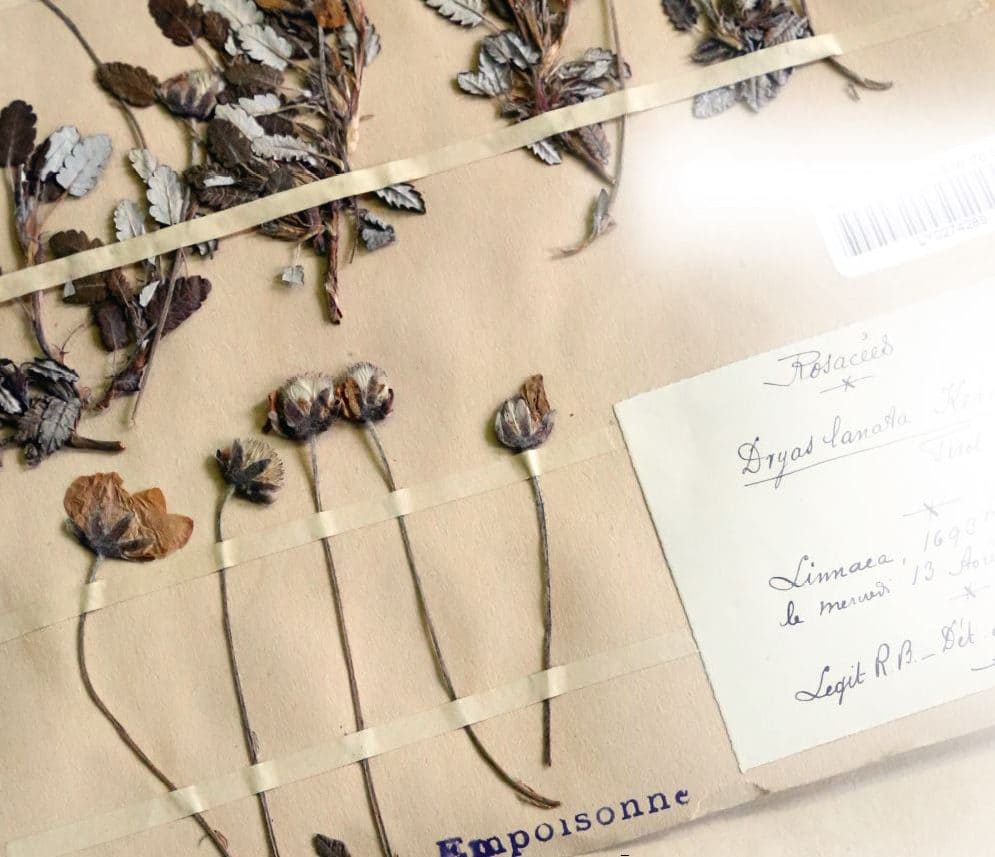
Dryad plate (Dryas sp.) collected by Roland Bonaparte in Valais, Switzerland, in August 1902. The handwritten label with the double decorative star mark is specific to the prince’s presentation. Also note the mention “poisoned” at the bottom of the sheet, following chemical treatment applied when the collection arrived in Lyon. Photo: Yves Thonnérieux
Roland Bonaparte: the herbarium as relational architecture
Beyond the venue itself, it’s the meaning of the legacy that gives the experience its backbone. Roland Bonaparte isn’t just the historical figure sometimes reduced to a label—“yet another Bonaparte.”
What makes his path singular is the way he builds a knowledge system. His herbarium is not only an assemblage of species: it becomes the expression of a method, both social and biological. At the beginning there is the man who gathers. But what matters most is the activation of a network: diffusion work, trust organized at a distance.
In this perspective, the herbarium resembles architecture. It is not an isolated object—it is a world. A world where the faraway becomes classifiable, where variations accumulate like proofs and hypotheses, where attention is maintained through order.
For him, botany doesn’t cancel the intellectual project—it simply changes its axis. The traveler’s taste, the interest in the diversity of human forms captured first by photography—everything shifts. The gaze no longer seeks faces first; it lingers on leaves, veins, textures, and seasons preserved through the act of conservation.
In other words: even if the object changes, the logic remains. The prince carries curiosity into a discipline of observation, where inventorying differences becomes inventorying variations.
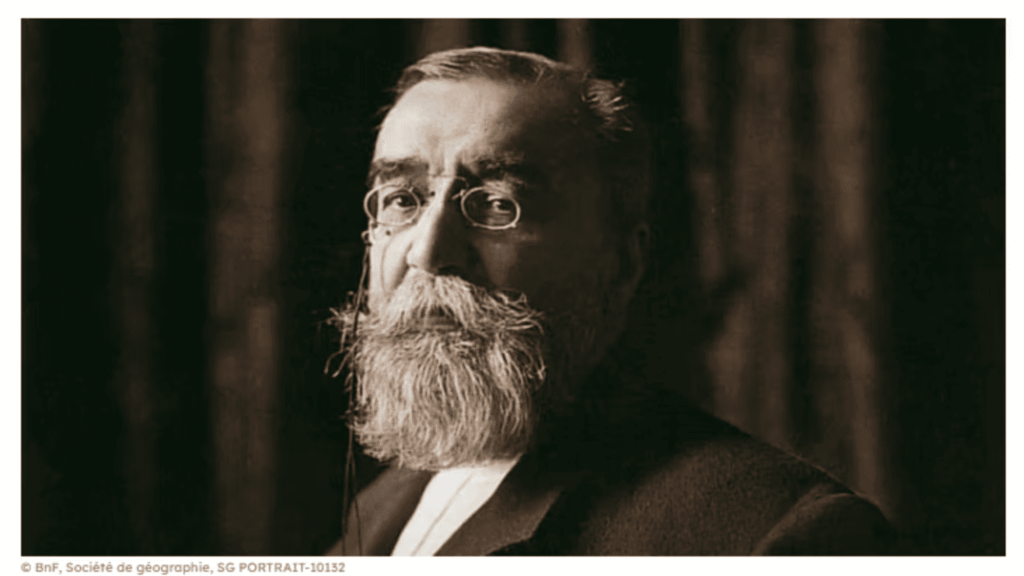
Despite a famous surname, Roland Bonaparte (1858–1924) remains unknown to the general public.
Building a place so knowledge can last
Roland Bonaparte’s legacy insists on a point often forgotten: for knowledge to endure, it needs a framework. It’s not only a love of knowledge or prestige. It requires buildings, rooms, a library, wood paneling—not to parade, but to give study stability.
In this space, science stops being a moment of curiosity. It becomes an institution. And the herbarium, from then on, works as mediation between the world and those who will later need to return to it.
The Bar Botaniste, in its own way, seems to align with this mediation logic: it doesn’t only show plants—it offers a bridge. A space where you can enter understanding through sensations, without giving up the essence.
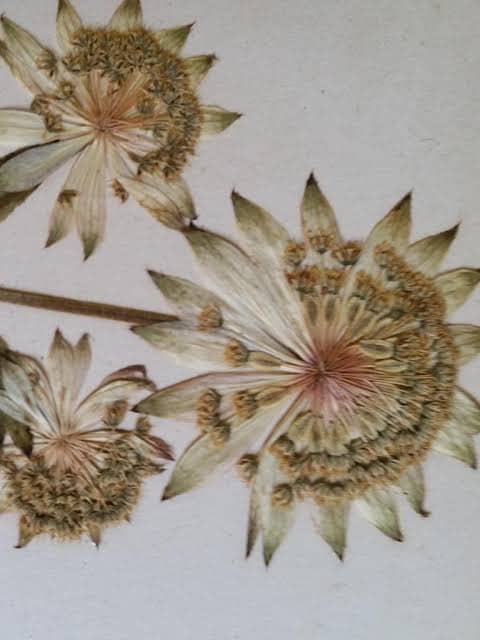
A fragile legacy: dispersion, relocation, survival
The herbarium of Roland Bonaparte also carries a harsher lesson. Like many works of science, it does not immediately take root in a permanent home. Its partial dispersion and subsequent moves are a reminder that science depends on institutions as much as on scholars’ will.
There is something almost tragic here: the order patiently constructed collides with the material limits of another order. And yet, the whole survives—transferred, preserved, expanded. What we learn is that the essential thing wasn’t only accumulation, but the continuity of classification work: the ability to keep attention alive over time.
This detail resonates with the experience proposed at Shangri-La Paris. A place is not a frozen collection—it is a living cultural object that must renew itself to remain relevant. The Bar Botaniste acts as a form of continuity: it doesn’t freeze the legacy—it reactivates it.
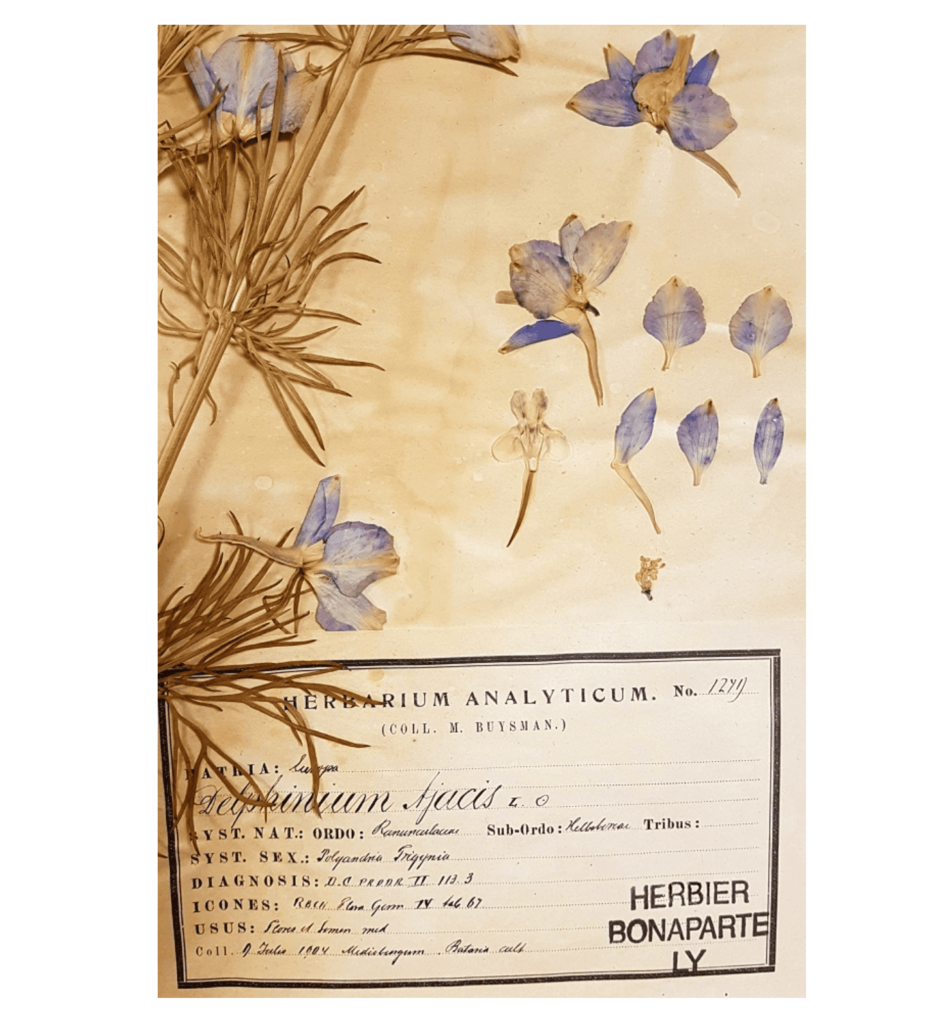
The herbarium in Lyon houses numerous collections. The prince Roland Bonaparte collection is the one that will be digitized. It includes 3 million specimens. © Université Lyon 1.
10 Av. d’Iéna, 75116 Paris (niveau lobby)
Open daily from 6:00 p.m. to 1:00 a.m. (last order at 12:15 a.m)
A menu of sophisticated and original cocktails inspired by the plant world, paired with rare spirits and small plates/tapas.
Ne buvez pas au volant. Consommez avec modération.
News
Stay tuned and discover all the news in the Spirits World for professionals and amateurs, by our Spirits Hunters’ experts.
See all posts in this category. Join the community on Reddit
 Join the community on Reddit
Spirits Hunters is a community dedicated to spirits and the world of mixology. Feel free to talk about the world of mixology and bartending here!
Join